Amazing FREE Energy Offer!
We Will Pay Your Energy Bills For 1 Year!

Free To Enter Competition to win a year's worth of energy bills all paid for by Save Energy Group.

To enter simply enter your name, email and telephone number in the box below and click 'SUBMIT'.

Save Energy Group UK

Save Energy with Save Energy

We are pleased to be able to share another way in which renewable energy can make a real difference to your energy bills and your company’s bottom line.

We turn on the tap and out comes the hot water, as if by magic. It’s only when we open our energy bill we realise the magic only happens if we pay dearly for the privilege.

Is there another option?

Solar Thermal Hot Water Systems have become increasingly more efficient, allowing you to significantly reduce the amount of gas, oil or electricity required to provide hot water to your property.  In the UK, a well-designed solar water heating system can provide almost all the hot water during the summer months, and on average 70% of requirements year round.

What makes up a solar thermal system?

Here comes the science… with a typical system consisting of three main components: solar panels, or solar collectors, water pumping system and a twin coil water cylinder.  Not science really, in fact it’s a very simple process that’s probably the most efficient of all renewable energy products.  Another smart way we can all limit your reliance on energy suppliers. The good news is they provide a long system life and require minimum maintenance.

 How does this interact with the boiler?

Solar Thermal is in fact great news for your boiler.  Imagine how good you would feel if you were on holiday 6-7 months a year, well that is the luxury life your boiler will have once solar thermal is installed.  With five months non-usage a year, this prolongs its life by up to 20%, cuts gas bills by 70% and reduces your CO2 emissions – as well as offering a long and reliable working life.

With Solar Panels you earn an income, what about Solar Thermal?

The government has introduced what they call the Renewable Heat Incentive (RHI) which will pay you a guaranteed income on the thermal energy generated for the next 20 years.   We are still waiting to find out what the payments will be, and when they will start. The great news is for every system fitted the payments will be back-dated and continue for those 20 years.

 What does this mean for the environment?

Taking a normal household, as an example, it will cut CO2 emissions by up to 645kg per annum – depending on the size of the building. You will definitely be doing your bit to reduce the carbon footprint.

What about the cost?

The cost of a home installation is approximately £5,500, with pricing for larger commercial installations available on request.

Why not come along and see a Solar Thermal system for yourself at our showroom in Poole.

Could you be running on sunshine? – ask how

As people become aware of the necessity to become more environmentally friendly, they are turning to natural sources of energy for everyday use. A solar hot water heating system is one way that is environmentally friendly, and could save you money on your energy bills and in some cases even make you money by selling back excess energy to your supplier.

When selecting a solar hot water heating system, there are several factors that need to be considered. These include; system design, geographic location, collector direction and collector size. These will determine the amount of energy that can be provided for domestic hot water heating. Most solar hot water heating systems have a back-up water heater such as electricity or gas.

Solar hot water heating systems are made up of insulated storage tanks to store the hot water and solar panels called collectors. A collector is fixed to the roof of a house or building or on a wall facing the sun. This will heat the water using solar energy.

The collectors accumulate the heat from the sun and use this heat to warm water, which in turn is stored in the hot water cylinder. Solar storage tanks have an additional outlet connected to and from the collector.

There are two types of solar heating systems: active, which have circulating pumps and controls, and passive which don’t. In two-tank systems, the solar water heater preheats water before it enters the conventional water heater. In one-tank systems, the back-up heater is combined with the solar storage in one tank. The running water can be pumped through the heating system as an active system or can be driven by normal convection as in a passive system.

There are three types of solar collectors that are used for residential, domestic applications in Poole. These are; Flat- plate collectors, integral collector-storage systems and evacuated-tube solar collectors.

Flat-plate collectors work by absorbing the solar radiation into glazed flat plates. These are made of a weatherproofed outer metallic box covered with a glass or plastic sheet on top. Inside the water is carried through dark, flat metallic absorber sheets that are partly coated with built in channels or riser tubes and are connected to copper pipes. The absorber absorbs the solar radiation and transmits the heat to the flowing water.

Integral collector-storage systems include one or more black tanks or tubes in a weatherproofed, glazed black box. Initially cold water passes through the solar collector, which preheats the water. The water then flows into the standard backup water heater, thus offering a reliable source of hot water. These heaters should be installed during mild-freeze climates only, as the outdoor pipes may possibly freeze in severe cold weather conditions.

Evacuated tube collectors are made up of a pair of transparent borosillicate glass tubes. These are evacuated to provide insulation. Each tube contains a glass outer tube and metal absorber tube attached to a fin. The coating of the fin absorbs solar energy while preventing heat loss. These types of collectors are mainly used for commercial use in the US.

Solar hot water heating systems almost always require a backup system for cloudy days or to cover increased demand. Conventional storage water heaters usually provide backup and may be part of the solar power package. The proper installation of solar water heaters is vital. So it is important to do some research on the factors already mentioned. You should also investigate local codes, covenants and regulations regarding the installation of solar heating systems. And screen your chosen contractor carefully to make sure they have the right experience for the job.

Solar Panels for Homes

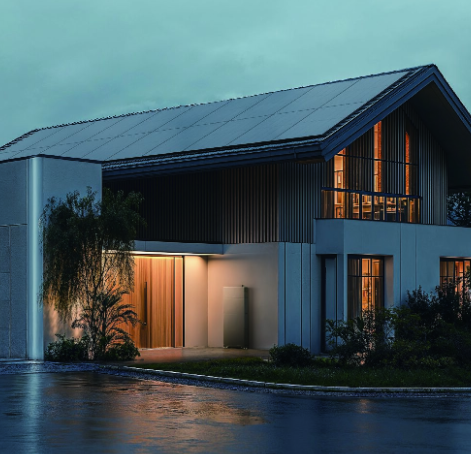
Solar panels for homes have gradually become more efficient and less expensive to install.  Many new homes are being built with solar panels on the roof that are less obvious than their predecessors.

Today’s solar panels can convert more energy and take up less space, making them much smaller and more unobtrusive.

The benefits of solar power energy in terms of lower energy bills and a cleaner environment are attracting more and more people to think about installing their own renewable source of electricity.

Solar panels for homes are also known as photovoltaic, or PV systems. They work by converting sunlight into electrical energy. Each solar panel is composed of a group of solar cells made of a semi-conductive material. This is usually crystalline silicon, which absorbs sunlight very efficiently.

The solar panels are made up in layers. Most of these panels have a protective layer at the top, a few layers of conductive cells, and a bottom layer of polymer backing.

Solar power panels can produce enough electricity in ideal conditions, to meet the requirements of an average home. They can heat the water, power the lights and appliances and heat your home. As well as power air conditioners to keep it cool.

How effective your home solar panel is depends on your location. Solar power panels for residential use are placed on whichever side of your house gets the most exposure to the sun. However, if your home does not get an average of 6 hours steady sunlight, you may not be able to produce sufficient power for all your needs.

Most homes opt for a grid-interconnected system. This allows you to be connected to the conventional grid to draw power from when you have a short fall. On the other hand if you manage to produce an excess of power, you can sell this back to your energy company in the form of credits.

Most of the work of installing a solar panel on your home is preparation. In most cases you will need to obtain building permits. If you do decide to be grid-interconnected, you will need to contact your energy company.

Once having decided to install a home solar panel, you have two choices. Do you fit it yourself or have a professional installer? Choosing to fit your solar panel yourself may save on the cost.

One disadvantage of installing a solar panel yourself is that it leaves little room for error. If not properly installed, you run the risk of damage to your roof and fire if not electrically connected properly.

If however, you prefer to have a professional installer, there are now many companies experienced in this field. The advantage of having it installed for you are that you get the complete package from design to maintenance, with little involvement from you.

There are many advantages to investing in solar panels for home use. The obvious cost savings and environmental factors are only two. It has been shown that having solar powered energy in your home can actually increase it’s value. This could make the initial outlay well worthwhile. And once installed you will no longer need to rely entirely on conventional electrical sources again.